Pattern Cutting Vinyl
Description
Technical Parameters
Vinyl Cutting is a simple process. It involves creating a design on a computer, which is then sent to a vinyl cutter. The cutter, guided by the computer, precisely cuts the design into a sheet of vinyl.
Why Choose Us
Our factory
Our own Huansheng Science and Technology Park is with over 10,000 square meters and more than 120 workers. Worked in vinyl cutter industry since year 2004 and developed the brands "MYCUT" & "TALENT" from year 2015, MYCUT vinyl cutters are well known all over the world with integrated design carriage head & honeycomb aluminum structure, which assure the highest precision and reliability.
Production equipment
Our factory testing machines are Withstand Voltage Leakage Tester, Vibration Tester, CCD High-definition Electron Microscope, Push-pull Force Test Bench, Level 00 High-precision Marble Platform, Square Ruler and Triangle Ruler, Other Digital Display Sizes Inner Diameters and Outer Diameters, Infrared Thermometer, Decibel Meter, 2D Measuring Instrument, Simulated Transportation Shaker, QUV Ultraviolet Aging Test Machine, Power Aging Cabinet, Constant Temperature and Humidity Aging Cabinet and Drop Test Machine.
Our certificates
All of MYCUT screen protector cutting machines and cutting plotter are with CE and RoHS certificates, and FCC compliant. Our factory complies with ISO9001: 2015 quality control as the production standards.
Quality control
QC department works on manual raw materials quality inspection, in-production quality inspection and finished product inspection, triple times quality control makes our screen protector cutter machine more reliable.

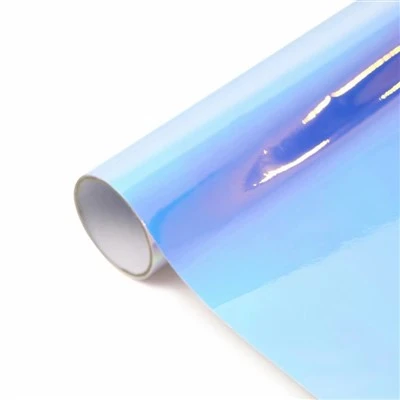
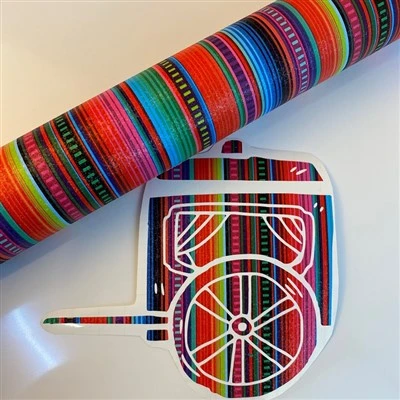
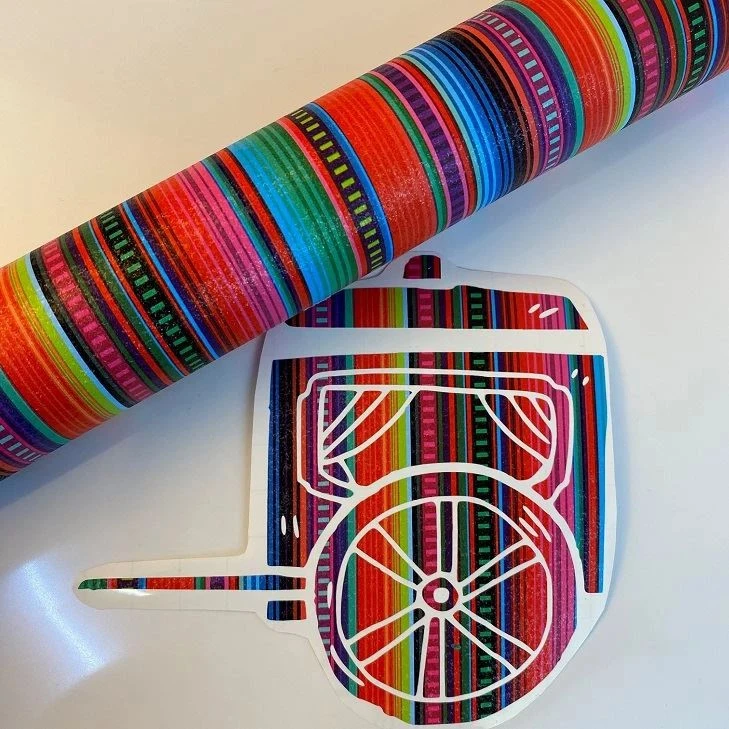
Rainbow stripe vinyl self Adhesive pattern cutting vinyl for plotter 12*12in sheets rolls decorate furniture vinyl.


RB65007 Holographic Vinyl high quality Custom Holographic Opal self adhesive Sticker Roll Rainbow Colorful DIY Craft Material Plotter.

Item No.: G-ROSE GOLD Description: Solid vinyl, can make both glossy and matt Avaliable colors: 48colors, more colors avaliable upon request Glue: Permanent Liner: 140gsm double side PE release liner.

Item No.: G-SILVER Description: Solid vinyl, can make both glossy and matt Avaliable colors: 48colors, more colors avaliable upon request Glue: Permanent Liner: 140gsm double side PE release liner Size: 0.305x0.305M / 0.305x1.22M / 0.305x1.52M / 0.305x3M / 0.305x5M / 0.305x10M 0.305x15M / 0.305 x 50M / 0.305 x 100M / 0.305 x 200M 0.61x50M / 0.61 x 100M / 0.61 x 200M / 1.22 x 50M / 1.22 x 100M / 1.22 x 200M.

Item No.: G-GOLD Description: Solid vinyl, can make both glossy and matt Avaliable colors: 48colors, more colors avaliable upon request Glue: Permanent Liner: 140gsm double side PE release liner Size: 0.305x0.305M / 0.305x1.22M / 0.305x1.52M / 0.305x3M / 0.305x5M / 0.305x10M 0.305x15M / 0.305 x 50M / 0.305 x 100M / 0.305 x 200M 0.61x50M / 0.61 x 100M / 0.61 x 200M / 1.22 x 50M / 1.22 x 100M / 1.22 x 200M.

Holographic opal vinyl RB65007 F&Q: 1. Could I have prices of your products? Welcome. Please feel free to send us an email here. You will get our reply in 24 hours 2. Can we print our logo/website/company name on products? Yes, MOQ 1.22X5000m 3. What's the lead time for regular order? 7-15 days for order quantity...
It combines cost-effectiveness with a decent level of finishing. The vast number of vinyl cutting material options also makes it an attractive and versatile medium. Ranging from durable outdoor materials to more decorative indoor materials, cut vinyl has more uses than one might typically think.
Signage Applications, Lettering, and Cut Vinyl Graphics
Adhesive vinyl is most often used for creating signs. Vinyl lettering and graphics are cut using a plotter and then transferred to the final surface. There are two main types of vinyl material: calendared vinyl and cast vinyl.
Calendared vinyl is a good choice as a general purpose vinyl for most applications including graphics and lettering for both outdoor and indoor use. A smooth surface is preferred for proper adhesion and longevity. Calendared vinyl is easier to apply than other vinyl as it is slightly thicker, less flexible and more manageable. It comes in several levels of performance ranging from 1 to 7 years. It is often less expensive than many of the other vinyl materials but offers bold saturation and many colour options.
A higher performance material is cast vinyl. It is a thinner and more flexible material with better adhesion that is suitable for both smooth and irregular surfaces. Because is it more flexible, it requires a little more attention during application. Due to its thinness, however, it integrates seamlessly with the surface below, often resembling a painted finish from close up. Cast vinyl is more expensive, but offers a broader array of colours and can have a performance rating of up to 12 years. It is ideal for outdoor applications and is used extensively on vehicles due to its durability and conformity.
Light Filtering and Translucent
There are several vinyl material options to filter light, including 'block out' vinyl that has a black adhesive backing to stop the light. Both calendered and cast vinyl have a small amount of translucency. Lighter colours will allow more light to pass. Translucent cast vinyls allow more light to pass for a higher quality light filtering effect. They are available in a range of colours and recommended for backlit signage applications or to create ambient lighting effects.
Decorative window films come in a range of frosted, etched and tinted glass effects and can be used as cut vinyl materials. They are an affordable choice for indoor designs but also offer good outdoor durability. These are often used in large sheet applications for light control, privacy films, and decorative glass effects. For large filtering or privacy vinyl, hand trimming and cutting may be all that is necessary, but frosted types of vinyl can be beautiful for subtle cut patterns, signage and lettering.
Decorative and Specialty Cut Vinyl
There are a multitude of decorative vinyls on the market today. These really extend the applications of cut vinyl materials into decorative and functional interior elements. They can also create unique and artistic signage elements and logos. From realistically textured metal finishes to wood grains and wallpaper patterned vinyl, use these to make beautiful lettering and graphic elements for both commercial and home accents. Many of these decorative vinyls are not recommended for outdoor use though as they have varying levels of weather resistance.
Adhesive chalkboard vinyl is available and can be cut by hand or with a vinyl cutter to create unique and functional surfaces in kitchens, offices and kid's rooms. Dry erase and mirrored vinyl can also be used in similar applications. You can save a lot of time in comparison to similar paint processes that require prepping, painting, mounting, and clean up.
Low Tack Vinyl
Low tack vinyl is great to use on walls in domestic applications. As a removable vinyl, it is great for graphics and doesn't require a lot of commitment. Plus, you don't have to worry about damaging any fragile surfaces. Longevity and durability are somewhat unpredictable though as the adhesive is comparably low. Use caution with uneven surfaces and ensure you give your surface a cleaning before. Wall graphics, wall art, and decorations are good applications.
Paint and Screen Printing Masks
Paint masking stencil vinyl can be used for a variety of paint applications. It is available in a few matte colours and as a transparent film for easy positioning. The adhesive is pressure sensitive and low bonding for easy release after painting. This works well for both spray paint and hand paint applications leaving crisp and accurate edge detail without risk of paint bleeding.
Regular adhesive vinyl can be used for screen printing. Eliminate the need for a large messy studio space if you wnat to try short-run printing. Photo emulsion, light curing, screen cleaning, and their associated chemicals can all be eliminated.
What Is the Best Way to Cut Vinyl Material?


Vinyl is a versatile medium that combines visual impact with functionality. Its shiny surface, pliability, and durability make it a favorite for various applications–from signage and automotive detailing to fashion and home decor. Vinyl is often preferred for its ability to be customized. It can easily be cut and shaped for a broad spectrum of creative uses and projects.
Hand Cutting With Scissors or Craft Knife
Hand-cutting vinyl with scissors or a craft knife is a beginner-friendly method but it comes with limitations when it comes to design complexity and precision. Investing in fine-tipped scissors or a specialized craft knife can significantly improve the quality of your cuts.
Adding a cutting mat to your set-up not only protects your work surface but also makes cutting more accurate with its grid lines. Before making the final cut, practice on a scrap piece of vinyl to get a feel of the material and fine-tune your technique.
Stencil Cutting
Stencil cutting is a happy medium for those wanting more intricate designs without splurging on high-end equipment; it allows for uniform and repeatable patterns. A well-crafted stencil is also reusable, providing long-term value.
To get the most out of this technique, choose durable materials like plastic sheets or card stock for the stencil and opt for a craft knife with interchangeable blades for different levels of precision.
To elevate the quality of your stencils, you can laminate them for added durability and ease of cleaning. Using a repositionable adhesive spray can keep your stencil securely in place during cutting, minimizing errors. These extra steps can pay off with a more polished product.
Die Cutters
Die cutters offer a blend of speed and consistency, making them an attractive option for those progressing beyond manual cutting techniques. These machines capably handle moderate design intricacies but come with limitations such as upfront costs and design size constraints.
Make sure the machine is compatible with the types of vinyl you plan to use–whether that's adhesive, heat-transfer, or thicker varieties. Be sure to check the cutting force, as well, because a higher force means the machine can cut through thicker materials.
Also, consider the range of roll sizes the machine can accommodate. Machines that can handle different roll sizes offer more flexibility for various projects. Look into machines with digital controls that allow for refined settings adjustments for better precision.
Vinyl-Cutting Machines
Vinyl-cutting machines are the best in class when it comes to precision and efficiency. These machines excel at producing highly accurate and intricate designs, making them ideal for professional applications or bulk production. However, their advantages come at a higher investment.
When selecting a vinyl-cutting machine, focus on its cutting force, speed, and the types of software it supports. Machines with higher cutting forces and compatibility with popular design software offer the best long-term value and versatility.
To ensure optimal performance, it's vital to invest in high-quality blades. Engineered for high-volume settings, the Summa S3 series combines robust power and pinpoint accuracy through its cost-effective, high-speed drag knife cutting head.
Take the time to learn the machine's software settings for different types of vinyl and thicknesses. Mastering these settings will not only improve the quality of your work but can also extend the life of your blades and machine. Modern machines often include pre-set options for different materials, offering a helpful starting point for those new to the software.
In the realm of Printing Techniques, vinyl cutting stands as a unique and versatile technique. It is a process that involves the cutting of a vinyl sheet using a vinyl cutter, which is a type of computer-controlled machine. The end result is a design or lettering cut from the vinyl that can be applied to various surfaces, from t-shirts and car windows to billboards and store signs. This article delves into the intricacies of vinyl cutting, explaining its various aspects and how it fits into the broader landscape of Printing Techniques.
Types of Vinyl
There are several types of vinyl that can be used in the cutting process, each with its own characteristics and uses. The most common types are adhesive vinyl and heat transfer vinyl. Adhesive vinyl has a sticky back that can be applied to surfaces like glass, plastic, and metal. Heat transfer vinyl, on the other hand, is used for fabric and is applied using a heat press.
Other types of vinyl include static cling vinyl, which sticks to smooth surfaces without adhesive, and perforated vinyl, which is used for window graphics. Each type of vinyl has its own unique properties and applications, making it important to choose the right one for each project.
The Vinyl Cutter
The vinyl cutter is the heart of the vinyl cutting process. It is a computer-controlled machine that uses a small blade to cut designs into a sheet of vinyl. The cutter is guided by a design that is created on a computer and sent to the machine. The precision of the cutter allows for intricate designs and precise lettering.
There are several types of vinyl cutters, ranging from small desktop models to large industrial machines. The size and type of cutter needed will depend on the scale and complexity of the projects being undertaken. Regardless of the type, all vinyl cutters operate on the same basic principle: they use a blade to cut a design into a sheet of vinyl.
Creating a Design
Before the vinyl can be cut, a design must be created. This is typically done using a vector graphics program, such as Adobe Illustrator or CorelDRAW. These programs allow for the creation of intricate designs that can be easily scaled and adjusted.
The design is then sent to the vinyl cutter, which cuts the design into the vinyl. The precision of the cutter allows for the creation of intricate designs and precise lettering. This flexibility in design is one of the key advantages of vinyl cutting, allowing for a wide range of creative possibilities.
Vector Graphics
Vector graphics are the preferred format for vinyl cutting designs. Unlike raster graphics, which are made up of pixels, vector graphics are made up of mathematical formulas that define lines, shapes, and colors. This allows them to be scaled up or down without losing quality, making them ideal for vinyl cutting.
Creating a vector graphic design requires a certain level of skill and knowledge. However, there are many resources available, from online tutorials to design software, that can help even beginners create stunning designs for vinyl cutting.
Design Software
There are several software programs available for creating vinyl cutting designs. These range from professional-grade programs like Adobe Illustrator and CorelDRAW to more user-friendly options like Silhouette Studio and Cricut Design Space. The choice of software will depend on the user's skill level, budget, and specific needs.
Regardless of the software chosen, the key to a successful vinyl cutting design is understanding the capabilities and limitations of the vinyl cutter. This includes knowing the smallest size that can be cut, the level of detail that can be achieved, and the types of vinyl that can be used.
Applying the Design
Once the design has been cut into the vinyl, the next step is to apply it to a surface. This is typically done using a heat press or adhesive, depending on the type of vinyl used. The application process requires careful attention to detail to ensure that the design is applied correctly and lasts for a long time.
Applying a vinyl design can be a complex process, especially for intricate designs or large-scale projects. However, with careful planning and execution, it can result in a stunning final product that is durable and eye-catching.
Using a Heat Press
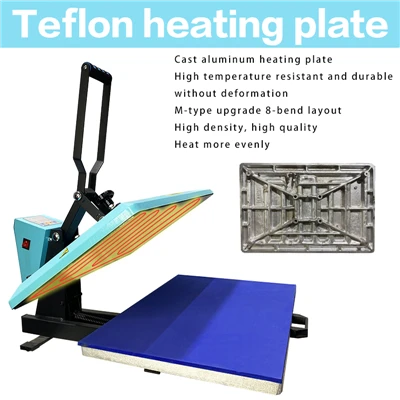
For heat transfer vinyl, a heat press is used to apply the design to a fabric surface. The heat press applies heat and pressure to the vinyl, causing it to adhere to the fabric. The temperature and pressure must be carefully controlled to ensure that the vinyl adheres properly and doesn't damage the fabric.
Heat presses come in a variety of sizes and styles, from small home models to large industrial machines. The choice of heat press will depend on the size and complexity of the projects being undertaken. Regardless of the type, all heat presses operate on the same basic principle: they use heat and pressure to adhere vinyl to fabric.
Using Adhesive
For adhesive vinyl, the design is applied to a surface using the adhesive backing on the vinyl. This process is simpler than using a heat press, but it still requires careful attention to detail. The surface must be clean and smooth, and the vinyl must be applied slowly and carefully to avoid bubbles and wrinkles.
Adhesive vinyl can be applied to a wide variety of surfaces, from glass and plastic to metal and wood. This versatility makes it a popular choice for many different types of projects, from car decals and window signs to wall art and home decor.
Maintenance and Care
Once a vinyl design has been applied, it's important to take care of it to ensure that it lasts as long as possible. This involves cleaning the surface regularly, avoiding harsh chemicals, and protecting the design from excessive heat and sunlight. With proper care, a vinyl design can last for many years.
Maintenance and care for vinyl designs will depend on the type of vinyl used and the surface it's applied to. However, there are some general guidelines that can help ensure the longevity of any vinyl design.
Cleaning
Cleaning a vinyl design is a delicate process. Harsh chemicals and abrasive materials can damage the vinyl, causing it to peel or fade. Instead, it's recommended to use a mild soap and water solution and a soft cloth. The surface should be cleaned gently and dried thoroughly to prevent water damage.
For outdoor applications, it's also important to clean the surface regularly to remove dirt and grime. This can help prevent the vinyl from becoming discolored or damaged over time. However, care should be taken not to scrub the vinyl too hard, as this can cause it to peel or fade.
Protection
Protecting a vinyl design from excessive heat and sunlight is crucial for its longevity. Heat can cause the vinyl to warp or peel, while sunlight can cause it to fade. If possible, the design should be placed in a location that is shaded or indoors. If this is not possible, a UV-protective coating can be applied to the vinyl to help protect it from the sun's rays.
Protection also involves avoiding physical damage to the design. This includes avoiding scratching or scraping the vinyl, as well as protecting it from heavy objects or sharp edges. With proper protection, a vinyl design can withstand the elements and last for many years.
Our Factory
MYCUT is a leading brand for screen protector cutting machine under Huansheng Intelligence (Shenzhen) Co., Ltd. We are National High-Tech Enterprise located in the city of design-Shenzhen in South China and passes ISO9001:2015 authentication. Our own Huansheng Science and Technology Park is with over 10,000 square meters and more than 120 workers. Worked in vinyl cutter industry since year 2004 and developed the brands "MYCUT" & "TALENT" from year 2015, MYCUT vinyl cutters are well known all over the world with integrated design carriage head & honeycomb aluminum structure, which assure the highest precision and reliability. All of MYCUT screen protector cutting machines and cutting plotter are with CE and RoHS certificates, and FCC compliant. Our factory complies with ISO9001: 2015 quality control as the production standards.

FAQ
Hot Tags: pattern cutting vinyl, China pattern cutting vinyl manufacturers, suppliers, factory, metal cutting dies for card making, Laser Craft Machine Circle Cutter for Crafts Card Making Cutters, Best Paper Cutter for Crafts Cutting Dies for Cards Craft Cutting Machine, Cardboard Cutter for Crafts Best Paper Cutter for Card Making Craft Machine, cutting dies for cards, Make Your Own Valentines Card Cutter for Crafts Small Sticker Cutting Machine
Previous
No InformationSend Inquiry